Pool vacuums, and which of the four types suits your pool
The short answer. Pool vacuum is not one product. It covers four different machines that clean the same pool in completely different ways, and most of the confusion in this category comes from roundups that rank them against each other as though they were competing versions of the same thing. Pick the type first. The model matters much less.
The four machines behind one word
| Type | What moves it | Where debris goes | Needs your pump | Do we cover it |
|---|---|---|---|---|
| Robotic | Its own motor | Its own filter basket | No | Yes, this is our subject |
| Suction side | Your pool pump | Your pool filter | Yes | Explained, not recommended |
| Pressure side | A booster pump | Its own bag | Yes, plus a booster | Explained, not recommended |
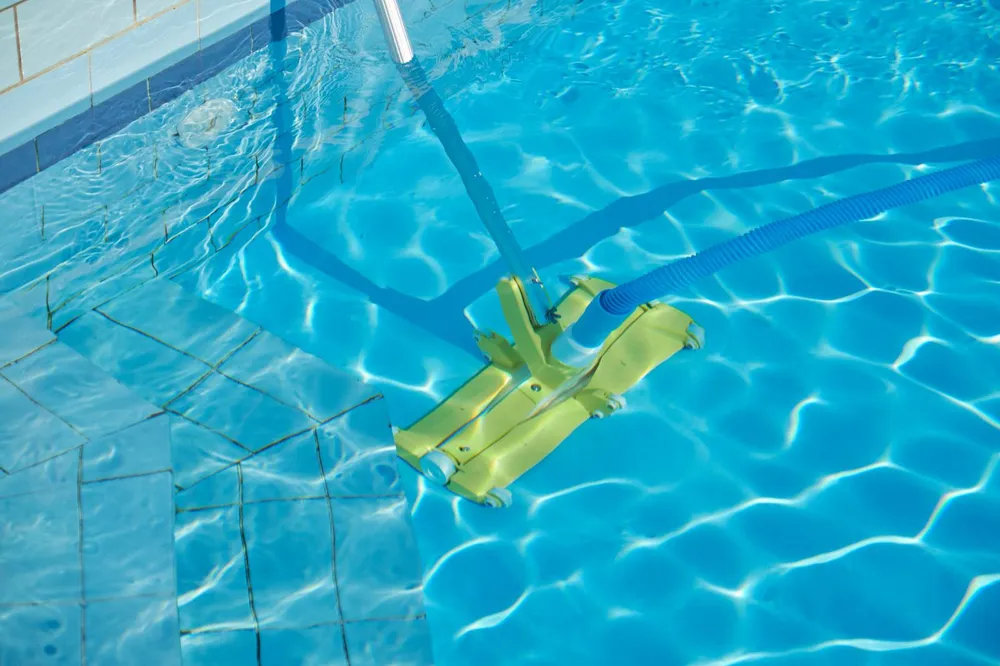
| Handheld manual | You, on a pole | Its own chamber | No | Explained, not recommended |
Why most best pool vacuum lists are hard to use
Open almost any ranked list for this search and you will find a robot, a pressure side cleaner and a handheld unit in the same top five, ordered as though a reader could sensibly choose between them on price. They cannot. A handheld vacuum at a tenth of the price of a robot is not a cheaper version of it, it is a different arrangement of who does the work.
The useful ordering is the one above: decide whether you are buying a machine or buying back your Saturday, then decide whether you are willing to run your pool pump to make it work. By the time you have answered those two questions, three of the four types have usually eliminated themselves.
What we cover, and what we do not
We write about robotic cleaners. That is what our testing and our commercial relationship both sit behind, and the rest of this site is organised around them: the main comparison covers the range and the price bands, the cordless page covers the battery trade, and the inground and above ground pages cover what each pool type actually demands.
We do not sell suction side, pressure side or handheld cleaners, and we earn nothing if you buy one. That is exactly why the table above describes them plainly instead of dismissing them.
Not selling something is a reason to be straight about it, not a reason to talk you out of it. For a small pool, or for a household that does not mind ten minutes with a pole, the cheap answer is often the right one and we would rather say so.
If you are weighing ten minutes with a pole against a machine, the number that decides it is what the cleaning job is worth on its own. Our pool maintenance cost page works that out from two independent price lists that agree on very little else.
Frequently asked questions
What is the difference between a pool vacuum and a pool cleaner?
Nothing reliable. The two phrases are used interchangeably by shops, manufacturers and reviewers, and the same machine is often sold under both words. What actually distinguishes products is the type of machine underneath the name: robotic, suction side, pressure side or handheld.
Which type of pool vacuum is best?
For most pool owners a robotic cleaner is the answer, because it works independently of your pump and filter and needs nothing from your existing plumbing. Suction side and pressure side cleaners are cheaper to buy but tie their operation to your pump, and a handheld vacuum needs you to push it. Best depends on whether you are buying a machine or buying your time back.
Are suction side pool cleaners any good?
They are cheap, simple and long lived, and they work as long as your pool pump is running. The costs are that they use your pump to move, so running the cleaner means running the pump, and everything they lift goes into your pool filter rather than into their own basket. We do not sell them and we do not recommend against them.
What is a pressure side pool cleaner?
A cleaner driven by water pressure, usually from a dedicated booster pump, which collects debris into its own bag rather than sending it to the pool filter. That bag is the real advantage, because leaves and grit never reach your filter. The booster pump is the real cost, both to install and to run.
Do I need a pool vacuum if I already have a robotic cleaner?
Usually not, though many people keep a cheap handheld one for spot jobs a robot handles badly, such as a single corner, a set of steps, or a heavy mess after a storm. That is a supplement to a robot rather than an alternative to one.